A Fire Protection System is rarely a single piece of equipment. Commercial and industrial properties generally require multiple layers of protection designed around the building's occupancy, fire hazards, layout, processes, and applicable requirements.
Understanding these layers helps property owners avoid a common mistake purchasing individual fire safety products without considering how they work together.
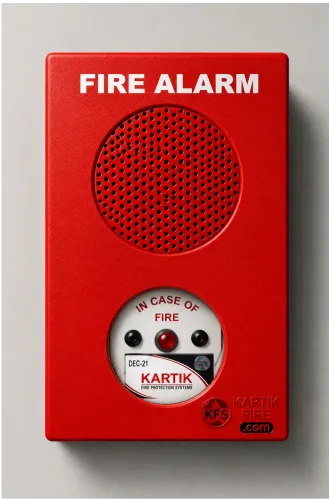
Fire Detection and Alarm
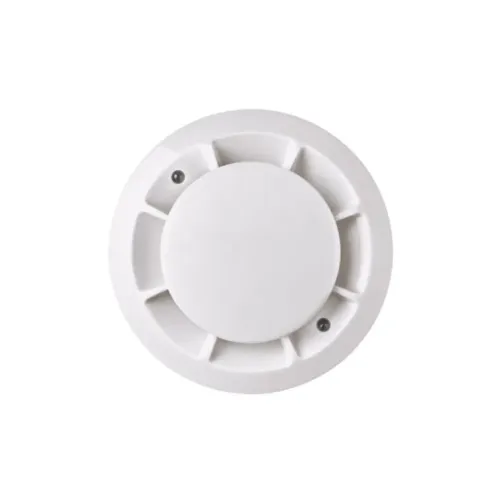
Detection and alarm systems help identify a developing fire and warn occupants or responsible personnel.
A system may include
- Smoke, heat, or other appropriate detectors
- Manual call points
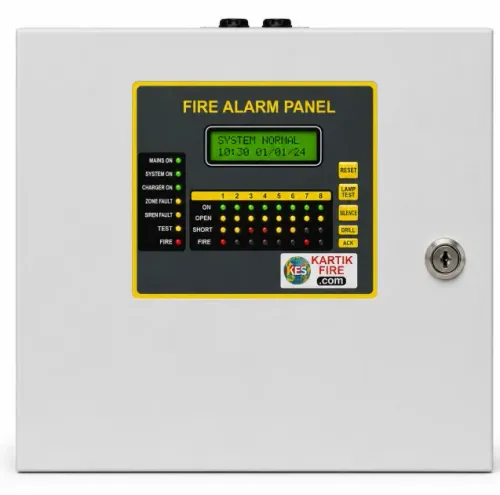
- Fire alarm control panels
- Sounders, hooters, strobes, or other notification devices
- Power supplies and backup arrangements
- Interfaces with selected building systems
The exact configuration depends on the property and approved fire safety design.
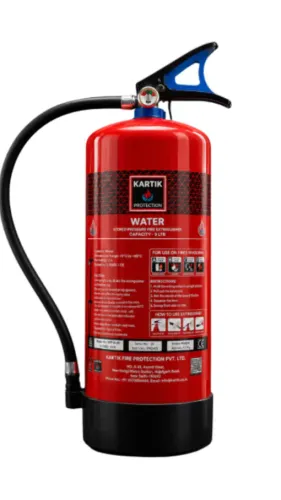
Portable Fire Extinguishers
Extinguishers provide a means of responding to certain small fires when conditions are safe and the person is trained to use the equipment.
The extinguisher type must match the fire hazard.
Commercial properties may therefore require a combination of water-based, foam, CO₂, dry chemical powder, wet chemical, or other appropriate extinguishing equipment.
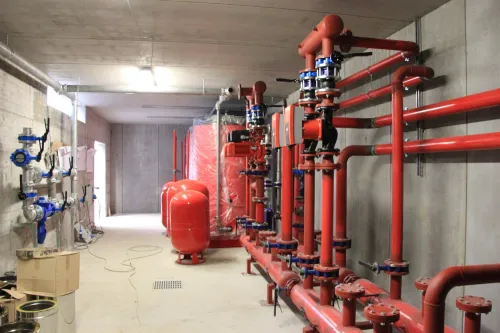
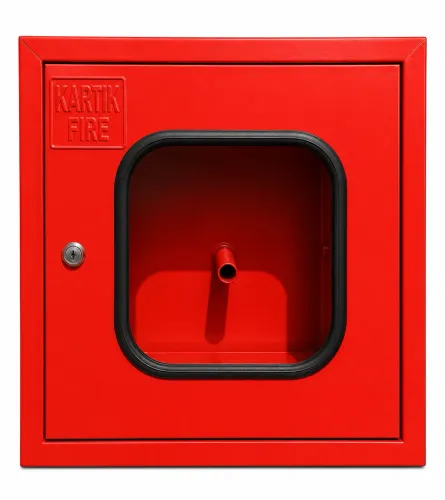
Fire Hydrant Systems
Hydrant systems provide a dedicated water supply for firefighting operations.
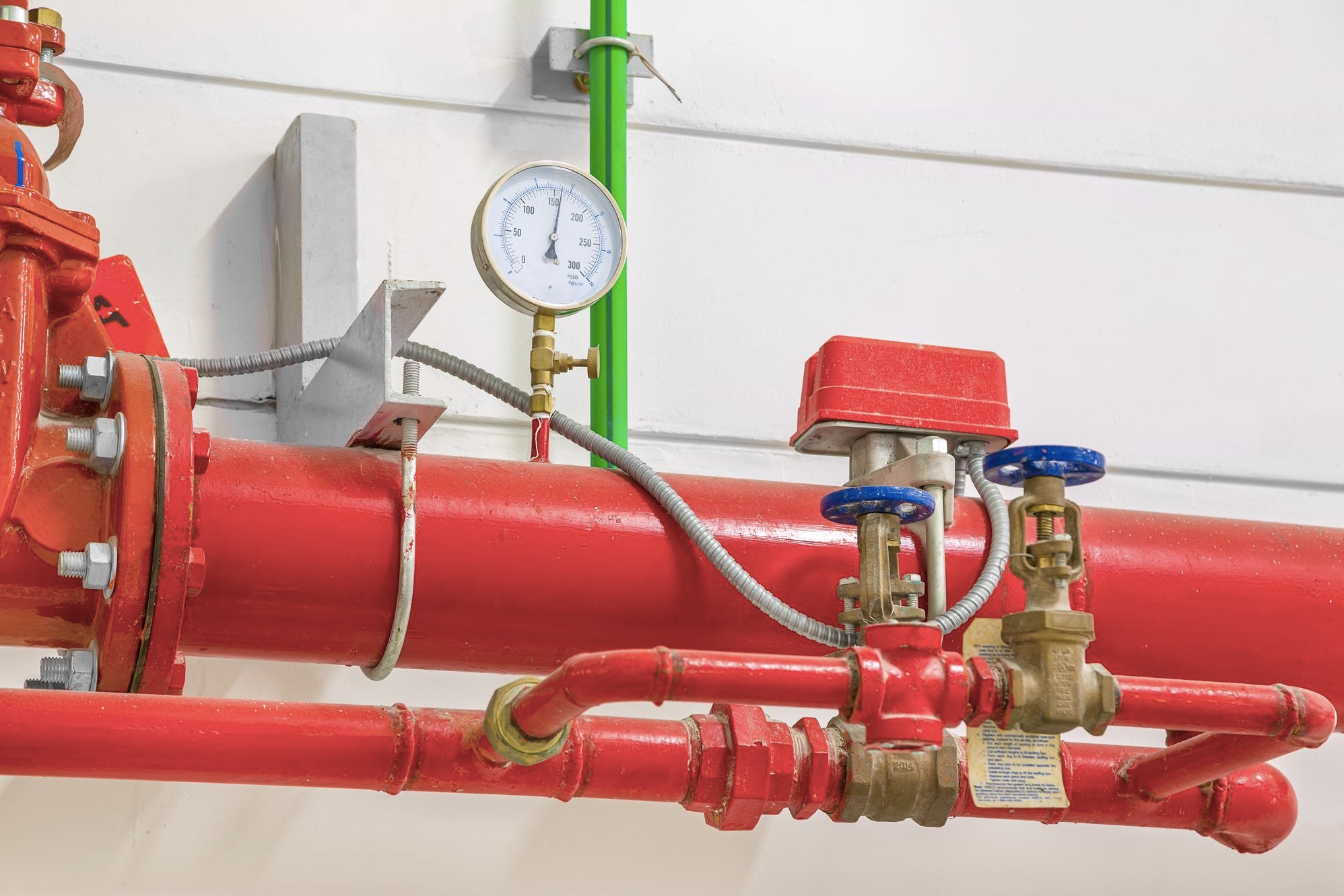
Depending on the design, key components may include pumps, water storage, pipe networks, hydrant valves, hose equipment, landing valves, and associated controls.
Hydraulic design is important because water must be available at the required flow and pressure under specified operating conditions.
Automatic Sprinkler Systems
Sprinklers are designed to operate automatically when local heat conditions reach the activation characteristics of the sprinkler.
Contrary to a common misconception, properly designed systems generally do not rely on every sprinkler activating simultaneously. Individual sprinklers operate according to heat exposure.
System design depends on factors including occupancy, hazard classification, storage configuration, ceiling conditions, water supply, and applicable standards.
Passive Fire Protection
Fire safety is not limited to active equipment.
Fire-rated walls, doors, shafts, compartmentation, penetration sealing, and other passive measures can help limit the spread of fire and smoke.
If cables or pipes are passed through fire-rated construction without appropriate sealing, the intended compartmentation can be weakened.
Emergency and Evacuation Provisions
Exit routes, emergency lighting, signs, evacuation procedures, assembly arrangements, and staff training all contribute to life safety.
A building may have sophisticated suppression equipment but still face serious risk if exits are obstructed or occupants do not understand emergency procedures.
Choosing the Right Combination
An office building in Delhi will not necessarily need the same arrangement as a factory, warehouse, hospital, school, hotel, or high-hazard industrial unit.
The appropriate combination should be determined through building assessment, hazard identification, applicable regulations, engineering design, and coordination with the relevant authorities and professionals.
Kartik Fire Protection Private Limited works with fire safety equipment and fire protection systems for commercial and industrial applications. For project buyers, evaluating the entire protection strategy can be more useful than sourcing each component independently.
An effective fire protection system uses complementary layers. Detection provides warning, suppression helps control fire, passive protection restricts spread, and evacuation measures support occupant safety. The objective is to ensure these elements work as a coordinated system rather than as isolated products.
Keywords