

Choosing a Fire Fighting System for a commercial property requires more than requesting a standard package from a supplier. The right arrangement depends on building characteristics, occupancy, fire risks, water requirements, evacuation strategy, and the way the property will be operated after handover.
For developers and commercial property managers in Delhi, provider selection should begin with a clear understanding of these requirements.
Look for a System-Based Approach
A capable fire protection provider should be able to discuss how individual components fit into the broader safety arrangement.
Depending on the project, this may involve:
- Fire detection
- Alarm and notification
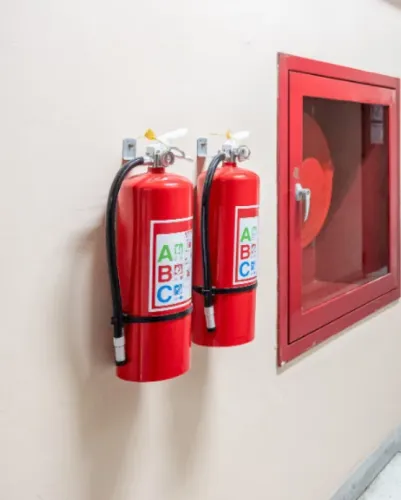
- Portable extinguishers
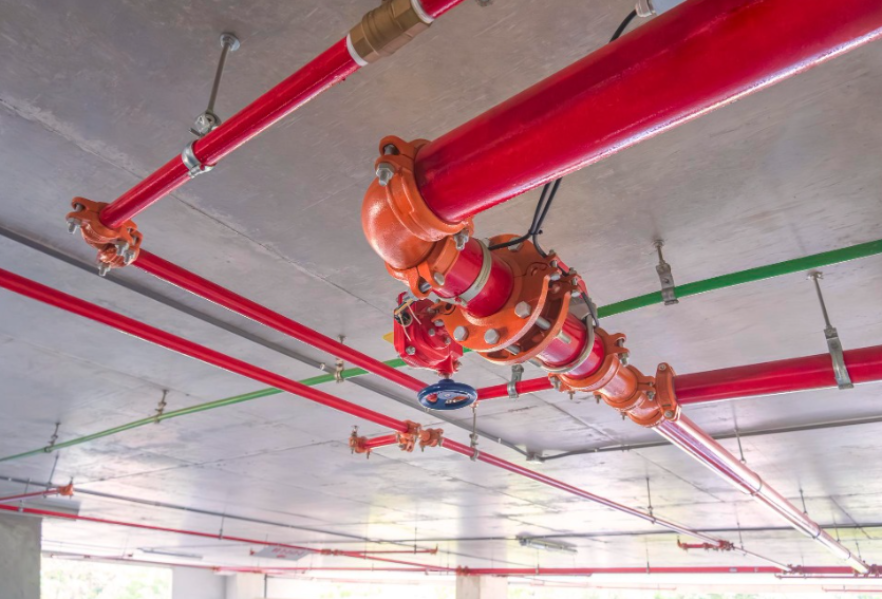
- Fire pumps
- Hydrant infrastructure
- Water-based protection
- Emergency exit provisions
- Controls and monitoring
- Inspection and maintenance considerations
A provider focused only on selling individual products may not address important integration questions.
Evaluate Technical Understanding
During discussions, notice whether recommendations are connected to actual project conditions.
The provider should seek relevant information about building height, occupancy, floor layout, hazard areas, water availability, utility spaces, industrial processes where applicable, and other factors affecting fire protection.
Generic recommendations without adequate project context deserve closer examination.
Ask About Product Specifications
Product selection should be transparent.
Buyers should be able to understand important specifications and intended applications rather than receiving only a product name and price.
Useful questions include:
- What is the intended application?
- What are the key technical specifications?
- How does it fit into the proposed system?
- What installation conditions apply?
- What inspection and maintenance will it require?
- What supporting documentation is available?
Clear answers make comparisons between proposals more meaningful.
Review Installation Readiness
Before installation begins, confirm that the property is physically ready for the proposed work.
This may include reviewing:
- Equipment locations
- Pump-room readiness
- Piping routes
- Electrical provisions
- Control-panel locations
- Water storage arrangements
- Access for installation
- Ceiling coordination
- Emergency routes
- Future maintenance access
Identifying conflicts at this stage can prevent expensive rework.
Consider Long-Term Maintenance
The provider selection process should not stop at commissioning.
Fire protection infrastructure remains part of the property for years, so buyers should understand its maintenance requirements from the beginning.
Ask what needs periodic inspection, what records should be maintained, how faults can be identified, and which components may require scheduled servicing or replacement.
Compare Proposals Beyond Price
Two quotations can appear similar while representing substantially different scopes.
When comparing providers, examine:
- Equipment specifications
- Scope of supply
- Installation scope
- Testing responsibilities
- Documentation
- Exclusions
- Maintenance considerations
- System integration
- Project coordination requirements
A lower initial figure can be misleading if important components or services are excluded.
Kartik Fire Protection Private Limited is a fire protection equipment manufacturer serving customers considering fire safety infrastructure for different property categories. Buyers can include the company among the providers they evaluate based on technical suitability and project requirements.
Know When Your Project Is Ready
A commercial project is better prepared for provider selection when building plans are reasonably defined, risk areas are identified, system requirements have been considered, and responsible project stakeholders are available for coordination.
Delhi's commercial properties range from standalone offices to large mixed-use developments. Their fire protection needs cannot be reduced to a single standard equipment list.
Choosing a Fire Fighting System should therefore be based on risk, technical suitability, integration, maintainability, and clearly defined responsibilities. A structured evaluation process helps developers make decisions that remain practical beyond the initial installation stage.