Choosing a Fire Alarm System involves more than deciding between a few detector models. The correct system should reflect the size of the property, number of zones, occupancy, environmental conditions, fire risks, future expansion requirements, and emergency response strategy.
For building owners and procurement teams, understanding the main system options can make supplier quotations easier to evaluate.
Conventional or Addressable?
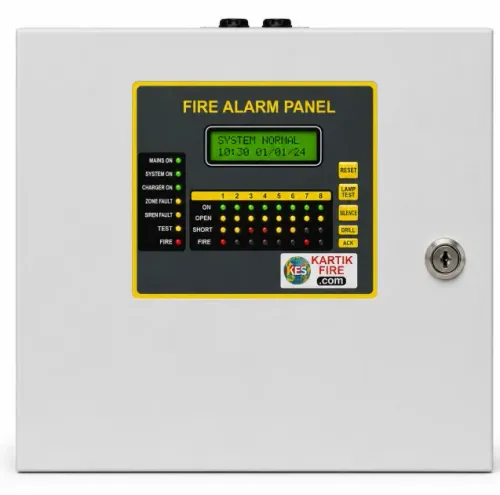
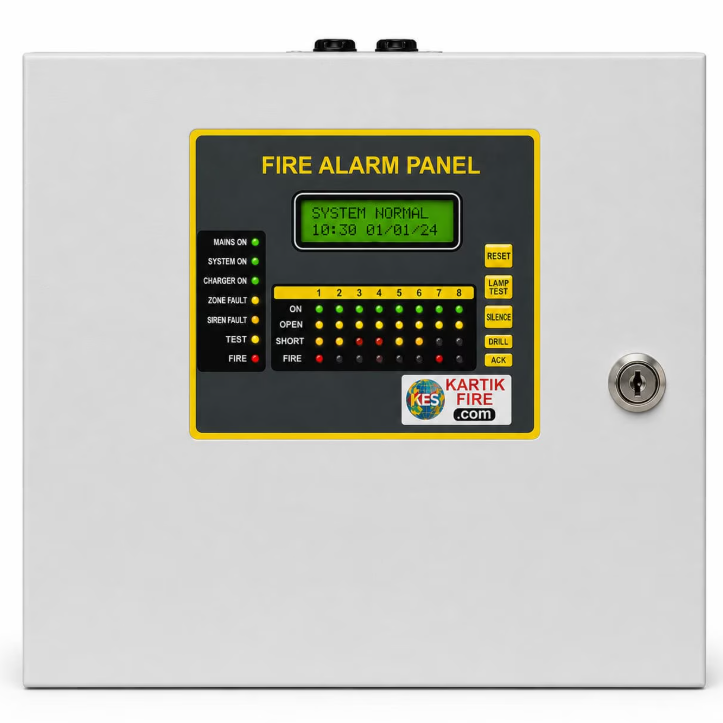
Conventional fire alarm systems divide a property into zones. When a device operates, the panel generally indicates the affected zone.
This approach may be suitable for certain smaller or less complex installations.
Addressable systems identify individual devices or provide more specific device information, depending on system design. They can be useful in larger or more complex properties where quickly locating an alarm condition is important.
The better option depends on the project rather than on which technology sounds more advanced.
Match Detectors to the Environment
Detector selection should reflect both potential fire characteristics and normal operating conditions.
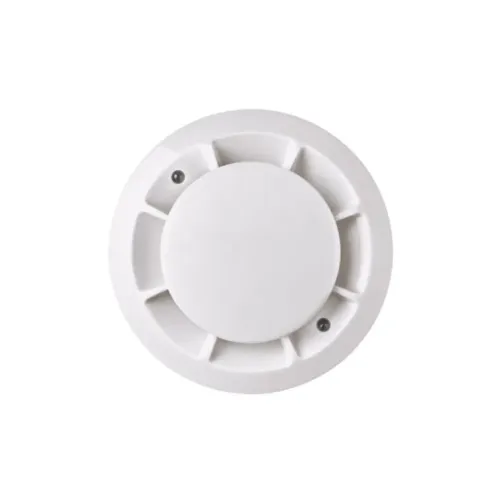
Smoke detection may be suitable for many office and commercial spaces. Heat detection may be considered where normal environmental conditions make smoke detection less suitable. Specialised applications can require other technologies.
A warehouse with dust, a kitchen with steam, and a clean corporate office should not automatically receive identical detection devices.
Evaluate Alarm Notification
Detection is only useful if the resulting warning can reach the people who need it.
Facilities should consider ambient noise, building size, occupancy characteristics, visual notification needs, and emergency procedures when planning sounders, strobes, or other warning methods.
Industrial areas with high background noise may require a different approach from quiet office environments.
Consider Expansion Before Buying
Buildings evolve.
Additional floors may be occupied, warehouses extended, new rooms created, or processes introduced. Buyers should discuss expected expansion before selecting a system whose capacity is already close to its limit.
Allowing appropriate flexibility can reduce the difficulty of future modifications.
Review Integration Requirements
Commercial and industrial fire alarm systems may need to interface with other building services.
Where applicable, this can include lifts, ventilation systems, doors, suppression equipment, public-address systems, or building management functions.
The required interactions should be defined during design rather than improvised after installation.
Compare Suppliers on More Than Hardware Cost
When reviewing proposals in Delhi, buyers should compare
- System architecture and design basis
- Detector and device specifications
- Panel capacity
- Zoning or addressing approach
- Installation scope
- Testing and commissioning
- Documentation
- User training
- Maintenance requirements
- Availability of technical support
Two quotations that appear to cover a “fire alarm system” may include very different scopes.
Kartik Fire Protection Private Limited supports fire alarm and broader fire protection requirements for commercial and industrial facilities. A useful supplier discussion should begin with the building and its hazards rather than immediately with a product catalogue.
The right fire alarm system should provide dependable detection, clear notification, manageable maintenance, and sufficient information for an appropriate emergency response. Comparing systems against those outcomes helps buyers make a more informed decision than choosing solely on the lowest initial price.
Keywords