A developing fire is easier to respond to when it is identified early. In occupied commercial buildings, early warning can give people additional time to recognize the emergency, begin evacuation procedures, and initiate an appropriate response.
An Automatic Fire Alarm System is designed to support this early detection and warning process. Understanding its basic components can help builders, property managers, facility teams, and institutional administrators make better decisions when planning fire safety infrastructure.
How an Automatic Fire Alarm System Works
Although system designs vary, the basic process is straightforward.
A detection device identifies a condition associated with fire, information is communicated to the control system, and the system initiates the programmed warning or response.
A typical arrangement may involve:
- Smoke detectors
- Heat detectors
- Manual call points
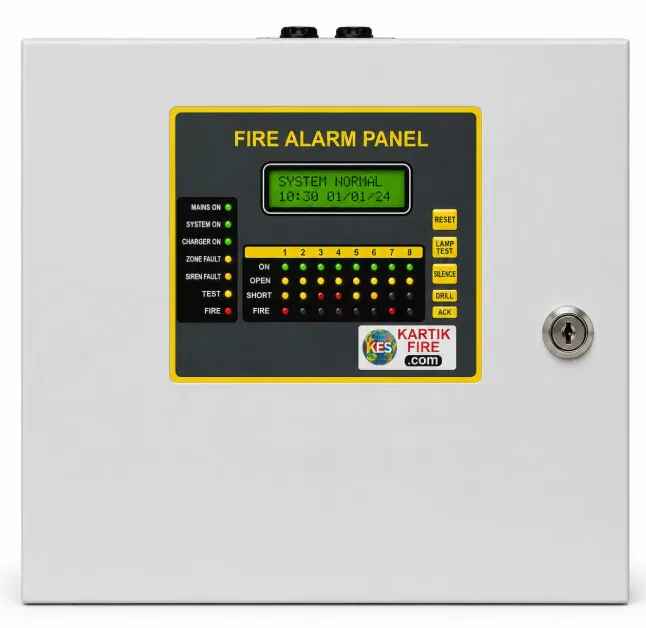
- Fire alarm control panel
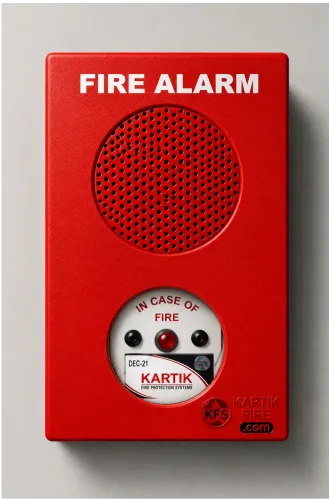
- Audible alarm devices
- Visual alarm indicators
- Power supply
- Backup power
- Cabling or communication infrastructure
- Interfaces with other building systems where required
The exact configuration should reflect the property and its fire safety design.
Smoke Detection and Heat Detection Serve Different Purposes
It is useful to understand that detection devices are not interchangeable simply because both can form part of a fire alarm system.
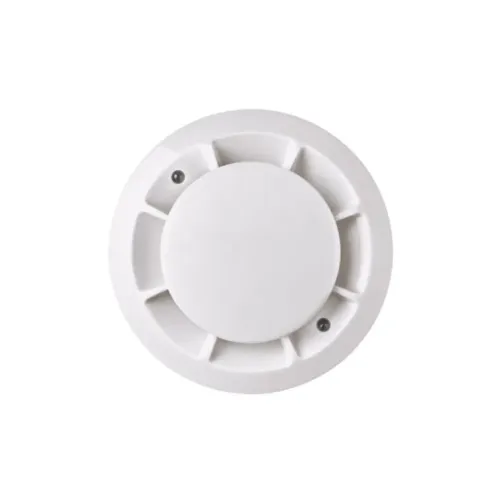
Smoke detectors are intended to respond to smoke-related conditions, while heat detectors respond to temperature-related conditions according to their design.
The appropriate detector depends on the environment.
For example, a location where normal operations regularly produce airborne particles or particular environmental conditions may need a different approach from a standard office area. Selection should therefore be based on the characteristics of the space rather than convenience.
The Control Panel Is a Central Component
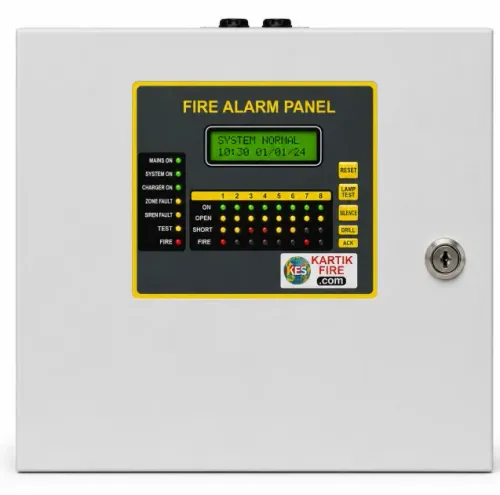
The fire alarm control panel receives and processes information from connected devices.
Depending on the system design, it can indicate alarm conditions, faults, or the location associated with an activated device. This information can help responsible personnel understand what the system is reporting.
For larger properties in Delhi, the ability to identify the affected area efficiently can be particularly useful because facilities may contain multiple floors, wings, departments, or operational zones.
Manual Activation Still Matters
Automatic detection does not eliminate the need for people to report a fire.
Manual call points provide a means for an occupant who notices a fire or emergency condition to activate the alarm according to the building's emergency procedure.
This creates another layer of warning rather than depending entirely on automatic detection.
Alarm Coverage Needs Careful Planning
A common mistake is thinking that adding more devices automatically produces a better system.
Effective planning requires appropriate device selection, positioning, zoning, audibility, visibility, power arrangements, and system design.
Important questions include:
- Can alarms be adequately perceived in occupied areas?
- Are detection devices suitable for their environments?
- Can the activated area be identified?
- Is backup power appropriately considered?
- Are devices accessible for maintenance?
- Have changes to the building affected the original design?
These issues should be considered before installation rather than discovered later.
Testing and Maintenance Remain Essential
Even a well-designed alarm system needs ongoing attention.
Detectors can become contaminated, devices can be damaged, electrical faults can develop, batteries can deteriorate, and building modifications can affect coverage.
Periodic inspection, testing, maintenance, and documentation help ensure that the installed arrangement continues to reflect the building's needs.
Kartik Fire Protection Private Limited manufactures fire protection equipment for customers considering different elements of building fire safety, including detection and warning requirements.
For commercial buildings, hospitals, educational institutions, industrial properties, and corporate offices across Delhi, automatic fire detection should be understood as one component within a wider fire protection strategy.
Early detection is valuable, but it works best alongside clear evacuation procedures, suitable firefighting equipment, maintained emergency exits, trained personnel, and properly managed fire safety infrastructure.
Keywords