Fire protection planning is easier when equipment selection begins with the actual risks inside a property rather than with a generic product list. Builders, facility managers, hospitals, schools, factories, and commercial properties may all require fire protection equipment, but the type, capacity, placement, and supporting systems can differ considerably.
For projects in Delhi, choosing a Fire Fighting Equipment Dealer should therefore involve more than checking whether common fire safety products are available. Buyers need to understand what equipment is suitable for the building, how different components work together, and what should be considered during installation and future maintenance.
Start With the Building Risk
A commercial office does not have the same fire risk profile as an industrial facility. Similarly, a hospital has different evacuation considerations from a warehouse or educational institution.
Before selecting equipment, consider:
- Building size and number of floors
- Occupancy and daily footfall
- Electrical installations
- Storage of combustible materials
- Machinery and production activities
- Kitchen or utility areas
- Basement and parking areas
- Emergency evacuation routes
- Applicable fire safety requirements
This assessment helps determine which fire protection measures need priority.
Understand the Main Equipment Categories
Fire safety normally depends on several layers of protection rather than one standalone product.
Portable Fire Extinguishers
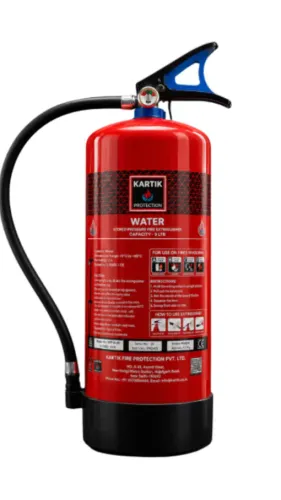
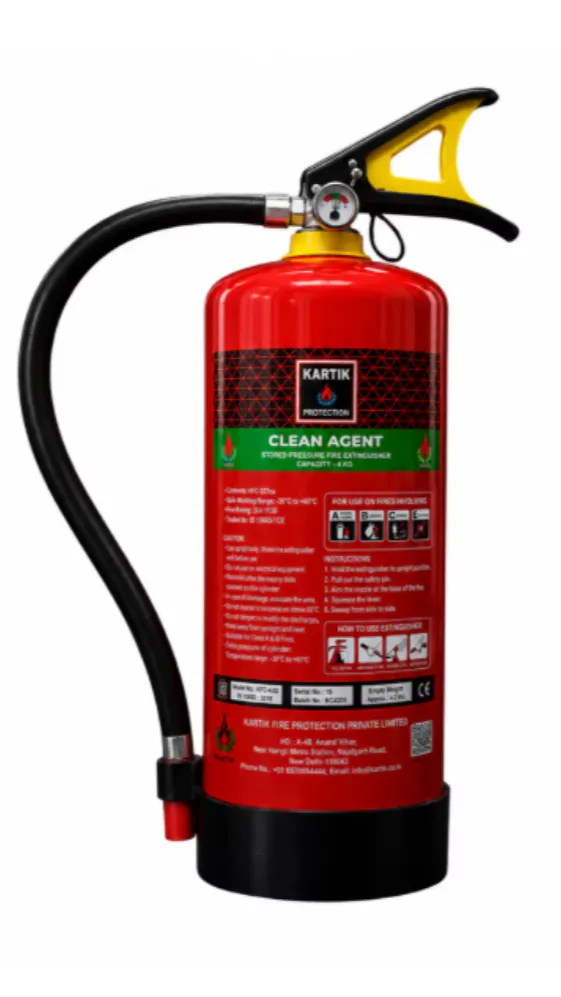
Fire extinguishers provide first-response support for suitable, manageable fire situations. Different extinguishing media are intended for different fire risks, which makes correct selection important.
Simply placing identical extinguishers throughout a property may not adequately address the hazards present in different areas.
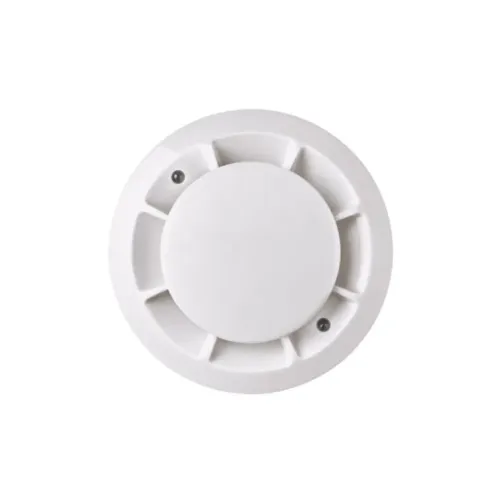
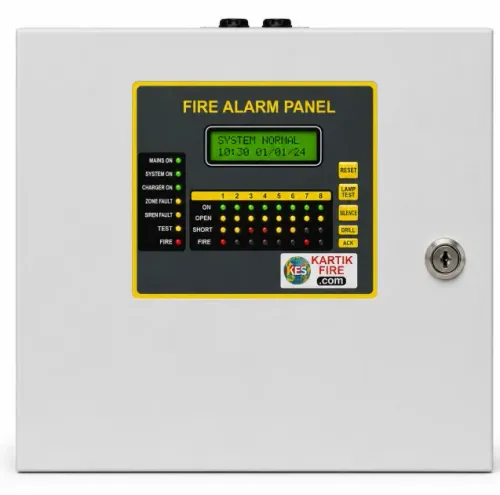
Fire Detection and Alarm Equipment
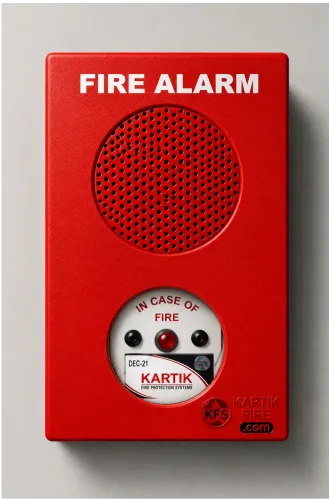
Detection systems help identify possible fire conditions and provide an early warning to occupants or responsible personnel. Depending on the building, the system may include smoke detectors, heat detectors, manual call points, alarm devices, control panels, and related components.
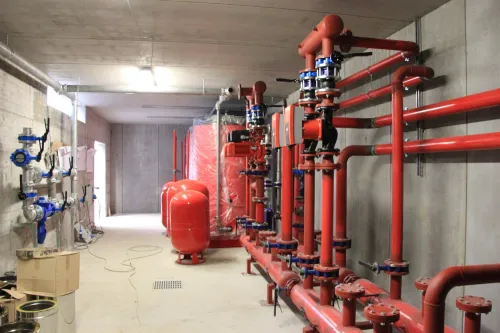
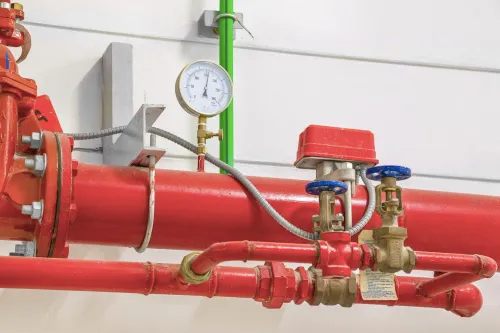
Fire Hydrant and Hose Systems
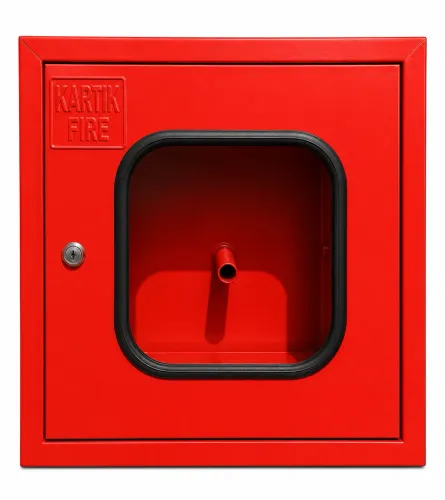
Larger properties may require fixed firefighting arrangements that provide access to water at strategic points. Their effectiveness depends on appropriate design, water availability, pumps, valves, piping, and accessibility.
Fire Pump Systems
Pumps help maintain the required water flow and pressure for connected firefighting infrastructure. They are therefore an important consideration in properties relying on hydrant, sprinkler, or other water-based systems.
Emergency Exit Support
Clearly planned escape routes, exit-related systems, and emergency provisions support safer evacuation when normal movement through a building is disrupted.
Why Compatibility Matters
Fire protection equipment should not be viewed as unrelated individual products.
A detector may identify a developing problem, but occupants also need an effective alarm. Water-based systems require adequate pressure and supply. Fire extinguishers need suitable positioning and accessibility. Emergency routes need to remain usable.
Good planning therefore considers the complete protection arrangement.
For a Delhi commercial development, for example, decisions made during construction can affect future accessibility for maintenance, equipment placement, piping routes, electrical integration, and emergency movement.
Questions Buyers Should Ask
When evaluating a dealer or manufacturer, useful questions include:
- Which equipment is suitable for the identified risks?
- Are technical specifications clearly documented?
- What installation requirements apply?
- How will equipment remain accessible for inspection?
- What maintenance is likely to be required?
- Can equipment be integrated into the wider fire protection system?
- What documentation is provided with the supplied products?
These questions help buyers move beyond price-only comparisons.
Avoid Buying Equipment in Isolation
One common mistake is purchasing products first and planning their location later. This can create practical difficulties, especially in large buildings where piping, wiring, equipment access, and evacuation routes need coordination.
Fire protection planning is generally more effective when architects, contractors, electrical teams, facility managers, and fire safety professionals coordinate requirements early.
Kartik Fire Protection Private Limited operates in the fire protection equipment manufacturing sector and serves customers evaluating fire safety requirements for different types of properties.
For builders and property managers across Delhi, the most useful approach is to treat fire equipment selection as part of a complete safety strategy. Understanding building risks, equipment functions, system compatibility, installation needs, and maintenance requirements provides a stronger foundation for long-term fire preparedness.
Keywords