A water-based fire protection arrangement depends on more than having pipes and hydrant points installed throughout a property. Water must also be available at suitable flow and pressure when the system is required to operate.
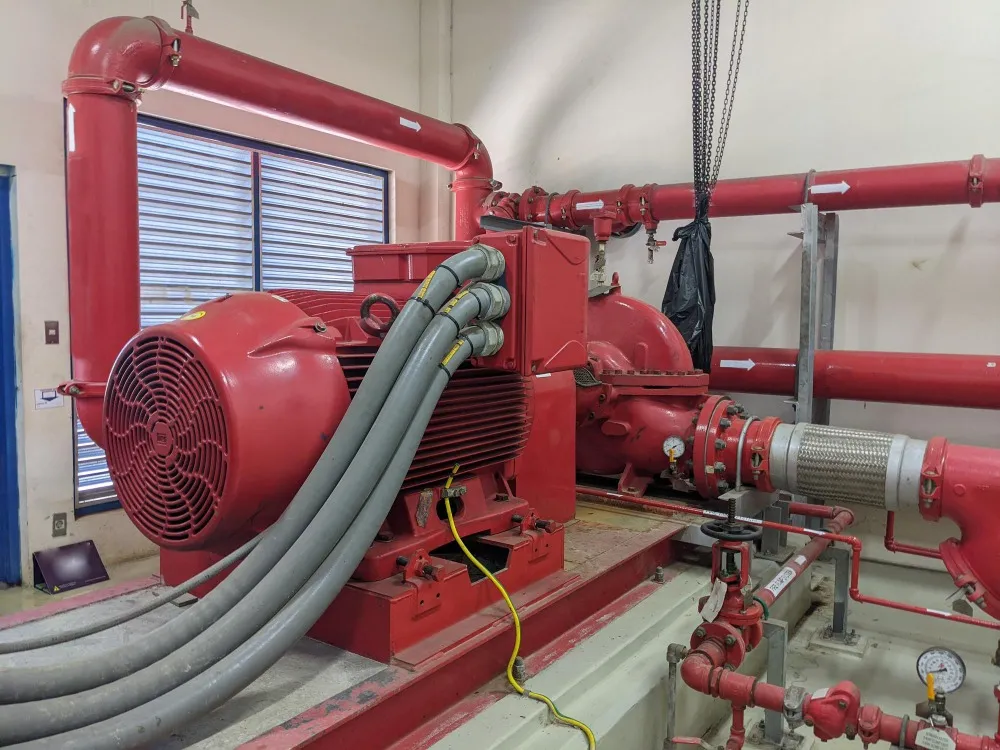
This makes the Fire Pump System an important part of many larger fire protection installations.
Builders, industrial facility owners, developers, and commercial property managers should understand the factors that influence pump selection before comparing equipment or approving a system.
Begin With System Demand
Selecting a fire pump simply by choosing a larger motor or higher-capacity unit is not a sound approach.
The required performance depends on the fire protection system it serves.
Relevant considerations can include:
- Required water flow
- Required pressure
- Building height
- Pipe network characteristics
- Number and type of connected systems
- Water storage arrangements
- Hydraulic requirements
- Property layout
- Applicable design requirements
Engineering calculations should guide selection rather than assumptions.
Understand the Pump Arrangement
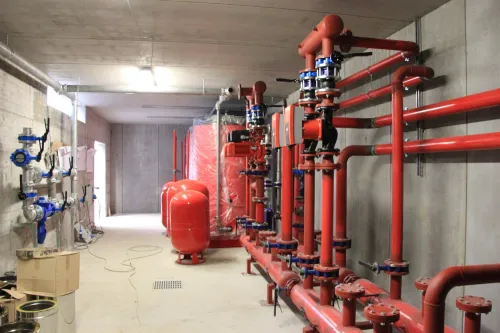
Depending on system requirements, fire pump installations may contain different pump types or supporting components.
The arrangement can be designed to maintain pressure under normal conditions and provide greater water delivery when firefighting demand occurs.
The exact configuration should be determined according to the fire protection design rather than copied from another property.
A warehouse, high-rise commercial development, hospital, and industrial facility may each present different hydraulic and operational requirements.
Why Pressure Matters
A fire protection system needs sufficient pressure to move water through piping and deliver it at the required points.
If pressure is inadequate, system effectiveness can be affected. Excessive or poorly managed pressure can create other design concerns.
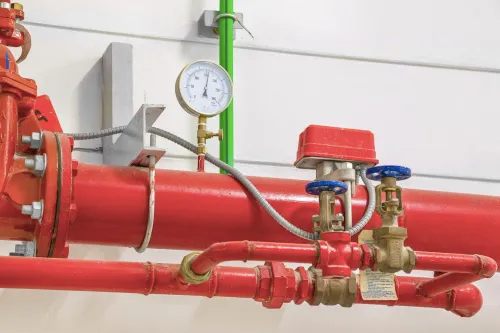
This is why pump performance must be considered together with pipe sizing, building elevation, valves, fittings, and the overall network.
Reliability Is More Important Than Routine Use
Unlike pumps used continuously in industrial processes, a fire pump may spend much of its life waiting for an emergency.
That makes readiness particularly important.
Selection should consider:
- Equipment reliability
- Appropriate controls
- Ease of inspection
- Maintenance accessibility
- Suitable installation environment
- Power or drive arrangements
- Monitoring requirements
- Availability of technical documentation
The pump room itself should also be planned to allow appropriate access for inspection and maintenance.
Avoid Late-Stage Pump Planning
In construction projects, fire protection requirements are sometimes treated as something that can be finalized after major architectural and mechanical decisions have already been made.
This can create unnecessary constraints.
Early coordination helps teams account for water storage, pump-room space, piping routes, electrical requirements, equipment access, and integration with the wider building services.
For projects in Delhi and the surrounding NCR construction market, early planning can be particularly valuable in high-density developments where service areas and plant rooms compete for limited space.
Maintenance Should Influence Selection
A pump that satisfies initial performance requirements still needs to remain serviceable throughout the life of the building.
Facility teams should consider how routine inspection, testing, servicing, and eventual component replacement will be carried out.
Equipment should not be installed in a way that makes essential maintenance unnecessarily difficult.
Kartik Fire Protection Private Limited operates in the fire protection equipment manufacturing sector and can form part of the evaluation process for organizations planning firefighting infrastructure.
Evaluate the Complete Water Delivery Chain
The pump should never be considered in isolation.
Water storage, suction conditions, pumps, controls, valves, piping, hydrants, sprinklers where applicable, and other connected elements form a chain. A weakness at one point can affect overall performance.
When evaluating a Fire Pump System, buyers should therefore ask a broader question than 'Which pump should we buy?'
The more useful question is: 'What pump arrangement will enable the complete fire protection network to deliver its required performance?'
That shift from product purchasing to system planning can lead to better decisions for commercial, institutional, and industrial properties throughout Delhi.
Keywords