A property may contain fire extinguishers, alarms, pumps, exit signs, and other safety equipment while still having weaknesses in its overall fire preparedness. Equipment can become inaccessible, occupancy can change, storage practices can introduce new hazards, and maintenance gaps can develop gradually.
A structured Fire Safety Audit helps property owners and facility teams examine these conditions systematically.
For commercial and industrial properties in Delhi, an audit can provide a clearer picture of whether existing fire safety arrangements continue to match actual building use and risk.
What Should a Fire Safety Audit Examine?
The scope depends on the property, but a useful review normally looks beyond individual products.
1. Current Building Use
Start with what actually happens inside the property.
Consider:
- Occupancy levels
- Operating hours
- Industrial processes
- Electrical equipment
- Storage practices
- Combustible materials
- Kitchens and utility areas
- Basement operations
- Parking areas
- Recent renovations
A system designed for an earlier building configuration may need reconsideration after major operational changes.
2. Fire Detection Arrangements
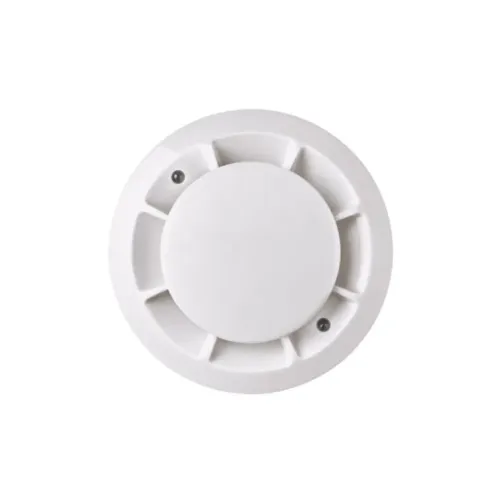
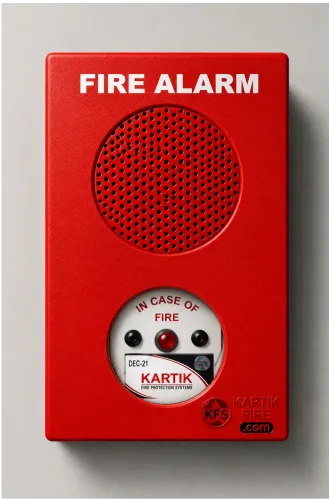
Review the condition and suitability of the installed detection and alarm infrastructure.
Questions may include:
- Are detection devices appropriate for their locations?
- Are manual call points accessible?
- Are alarm devices unobstructed?
- Are faults being recorded and addressed?
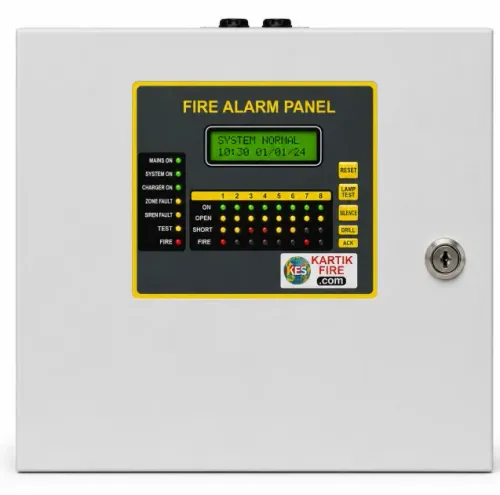
- Is the control panel appropriately maintained?
- Have renovations affected detection coverage?
The audit should consider both equipment condition and practical coverage.
3. Firefighting Equipment
Portable and fixed firefighting arrangements should be reviewed according to the risks present.
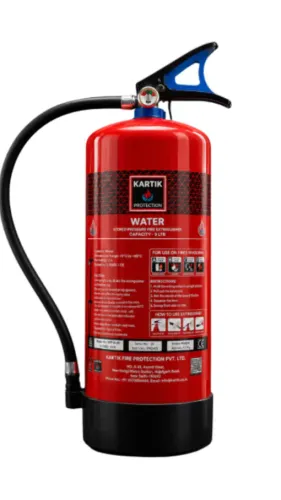
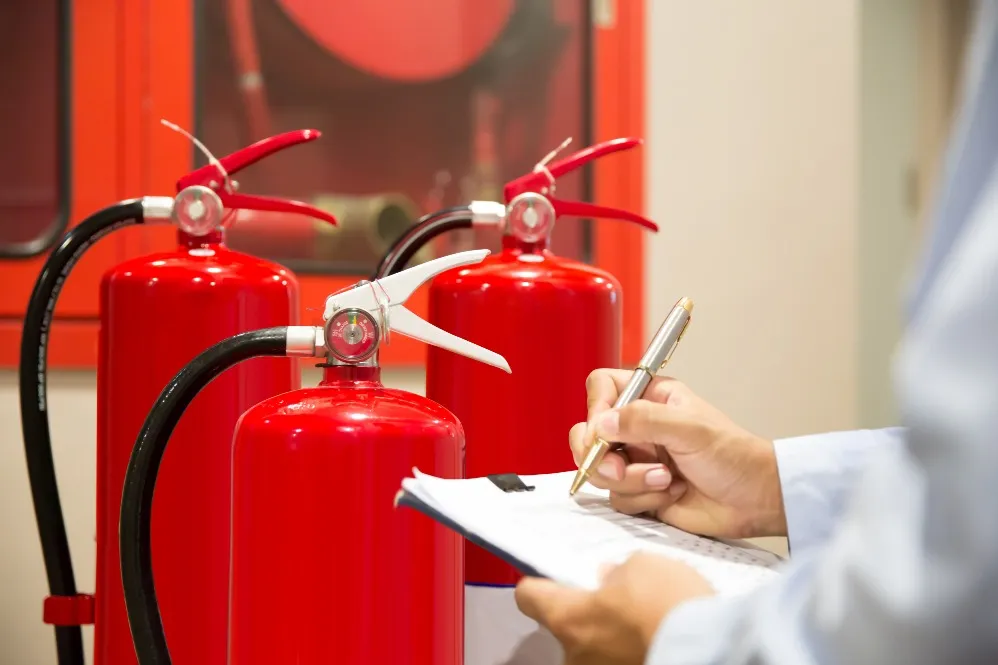
Check whether equipment is identifiable, accessible, appropriately positioned, and maintained.
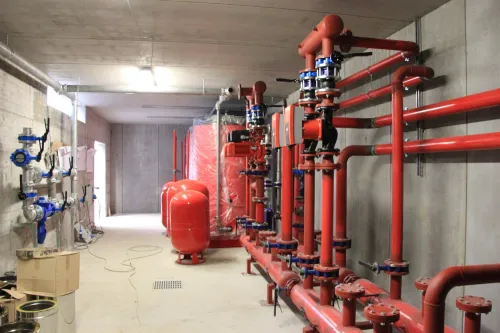
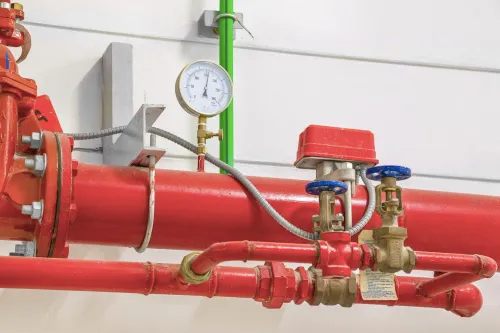
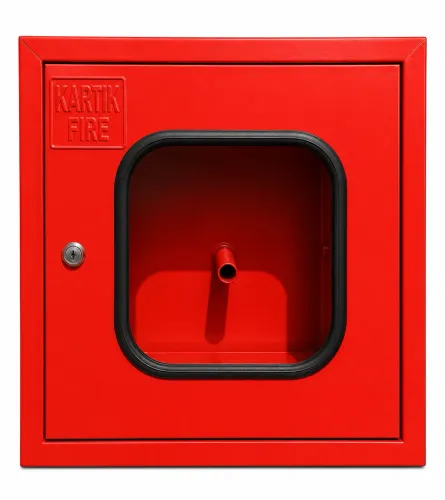
For larger facilities, the review may also need to consider hydrant infrastructure, hose equipment, pumps, water supply arrangements, valves, and connected systems.
4. Emergency Exits
An emergency exit should work in practice, not merely appear on a building plan.
Inspect escape routes for:
- Physical obstruction
- Poor visibility
- Difficult door operation
- Inadequate directional guidance
- Problems with emergency lighting
- Changes caused by furniture or partitions
- Storage within escape paths
Walking the actual evacuation route often reveals practical problems that drawings do not show.
5. Maintenance Records
Documentation can reveal recurring problems.
Review service records, inspection history, equipment identification, fault reports, corrective actions, and pending maintenance.
Repeated defects should receive particular attention because they may indicate a deeper maintenance or system issue.
6. Housekeeping and Storage
Every fire safety problem is not technical.
Poor housekeeping can increase combustible loading or restrict access to safety equipment. Industrial facilities should pay particular attention to waste accumulation, storage near electrical equipment, blocked access, and materials placed in circulation areas.
7. Staff Preparedness
Equipment cannot replace emergency awareness.
An audit can consider whether relevant personnel understand evacuation procedures, alarm response, emergency responsibilities, assembly arrangements, and basic fire safety practices appropriate to their roles.
Turn Audit Findings Into Actions
The value of an audit comes from what happens afterward.
Findings can be grouped according to priority:
- Immediate safety concerns
- Maintenance requirements
- Equipment deficiencies
- Operational improvements
- Documentation gaps
- Training requirements
- Longer-term system upgrades
Assigning responsibility and target completion dates makes follow-up easier to manage.
Kartik Fire Protection Private Limited works with fire protection equipment used across different property environments. For organizations evaluating their existing arrangements, professional assessment can help determine where equipment or system improvements may be required.
Delhi has a diverse building environment ranging from corporate offices and hospitals to educational campuses, warehouses, factories, and large residential developments. A Fire Safety Audit should reflect those individual conditions rather than follow a purely generic checklist.
The objective is not simply to count installed equipment. It is to determine whether fire risks are understood, protection measures remain suitable, evacuation routes are usable, maintenance is current, and identified deficiencies are being addressed systematically.
Keywords