Installing fire protection equipment is an important stage in building safety, but installation alone does not ensure long-term readiness. Equipment can deteriorate, components can become obstructed, batteries can weaken, valves can be left in incorrect positions, and building layouts can change over time.
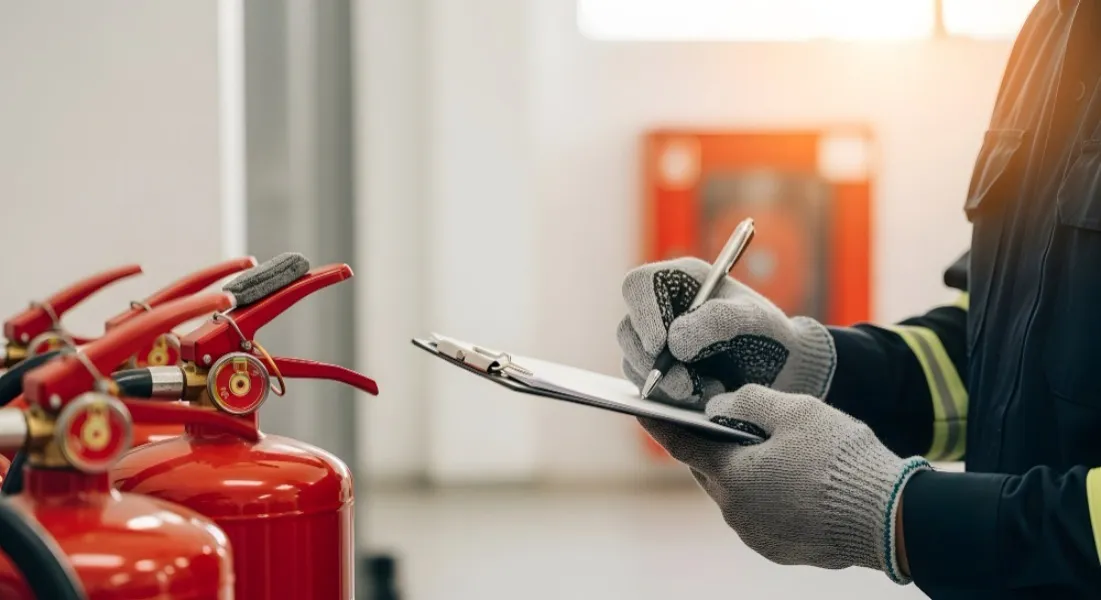
Regular Fire Safety Maintenance helps identify these problems before an emergency exposes them.
For facility managers, industrial operators, hospitals, educational institutions, corporate offices, and commercial properties in Delhi, maintenance should be treated as an ongoing operational responsibility rather than an occasional activity.
Why Fire Protection Equipment Needs Attention
Fire safety equipment may remain unused for long periods. That can create a false sense of security because visible equipment may appear ready even when its condition has changed.
Potential issues can include:
- Damaged or inaccessible extinguishers
- Obstructed fire equipment
- Detector contamination
- Alarm device faults
- Weak backup batteries
- Pump-related problems
- Valve or piping issues
- Damaged signage
- Blocked emergency routes
- Missing maintenance records
Routine checks are intended to identify such conditions early.
Build Maintenance Around the Entire System
A useful maintenance programme should consider individual components as well as the way they interact.
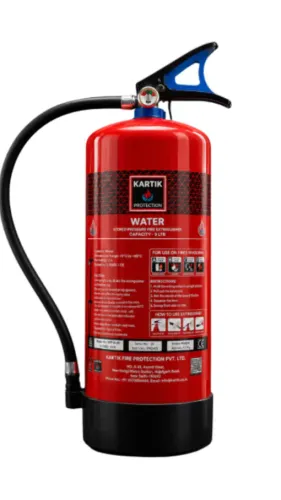
Fire Extinguishers
Extinguishers should remain accessible, correctly positioned, visibly identifiable, and in appropriate condition. The specific inspection and servicing requirements depend on the equipment type and applicable requirements.
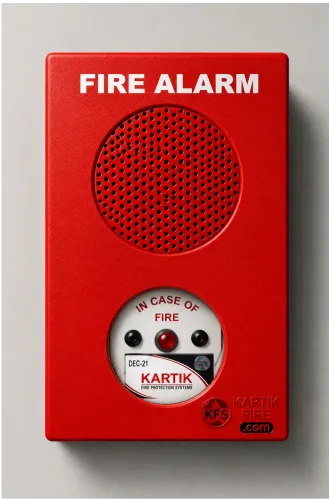
Detection and Alarm Systems
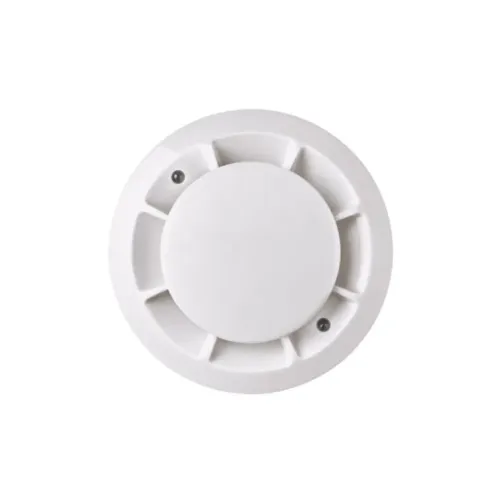
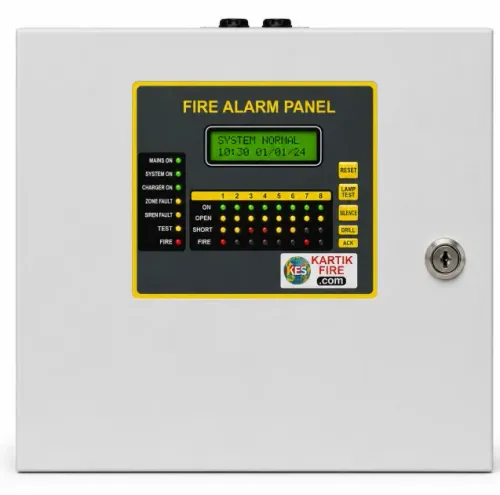
A fire alarm arrangement can include detectors, manual call points, panels, sounders, visual indicators, power supplies, and interconnected components.
Maintenance needs to consider whether these elements remain functional as a system.
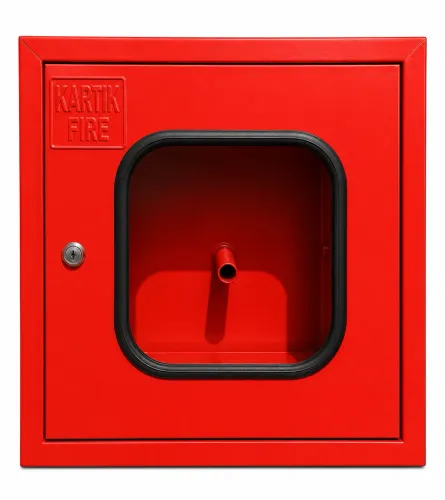
Fire Pumps and Water-Based Equipment
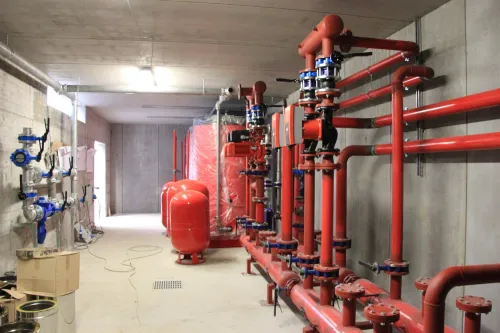
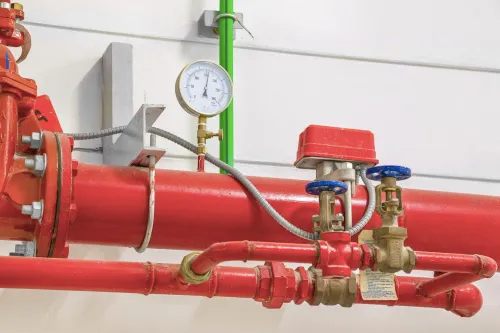
Where fire protection depends on water delivery, pumps and related infrastructure require appropriate attention. Problems with water availability, pressure, valves, piping, or controls can affect system performance.
Emergency Exit Provisions
Escape routes and emergency guidance also deserve periodic checks. A functioning alarm is less useful if occupants encounter an obstructed or inaccessible evacuation path.
Changes Inside a Building Matter
Maintenance should not focus only on whether equipment has physically deteriorated.
Buildings change.
A company may add partitions, expand storage, install new machinery, create server rooms, relocate departments, or increase occupancy. Each change can alter fire risks or affect access to existing protection equipment.
Facility managers should therefore ask whether the current protection arrangement still reflects the present use of the property.
This is particularly relevant in Delhi, where commercial and industrial spaces may undergo frequent fit-outs and operational modifications.
Documentation Supports Better Control
Maintenance records help property teams understand what was checked, what problems were identified, and what corrective work remains outstanding.
Useful records may include:
- Inspection dates
- Equipment identification
- Observed condition
- Tests performed
- Defects identified
- Corrective action
- Service history
- Responsible personnel
Good documentation also reduces dependence on individual staff members remembering previous issues.
Avoid Reactive Maintenance
Waiting until equipment visibly fails is not a sensible strategy for safety-critical infrastructure.
Preventive maintenance is intended to find deterioration or faults while there is still time to address them. It can also help facility teams budget for replacements and repairs instead of encountering multiple unexpected requirements at once.
The appropriate maintenance frequency should be based on the equipment involved, manufacturer guidance, applicable requirements, environmental conditions, and professional recommendations.
Kartik Fire Protection Private Limited is associated with fire protection equipment for properties that require structured fire safety planning and ongoing system readiness.
Make Fire Safety Part of Facility Management
Fire protection should sit within routine facility management rather than operating as a separate activity that receives attention only before an inspection.
Assigning responsibilities, maintaining records, reviewing changes, scheduling appropriate servicing, and following up on identified faults creates a more dependable process.
For Delhi properties with high occupancy, complex operations, or valuable assets, consistent maintenance is particularly important. Fire safety systems are installed for situations everyone hopes will never occur. Maintaining them properly helps ensure that this long period of inactivity does not compromise their readiness when they are actually needed.
Keywords