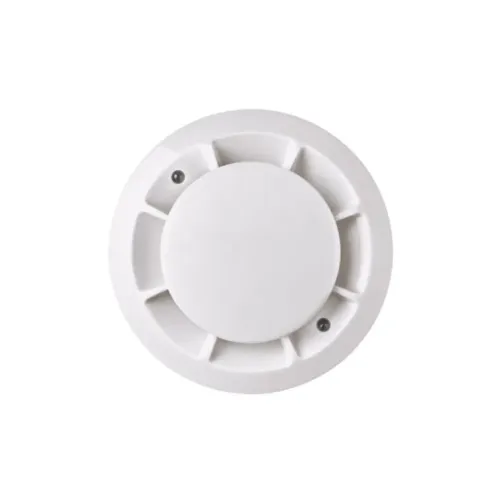
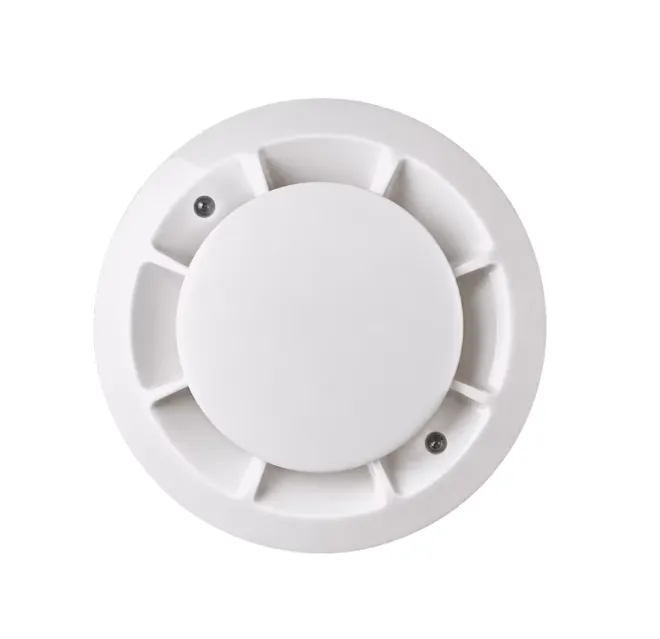
Smoke detection is an important element of many automatic fire alarm arrangements, but choosing detectors should not be reduced to installing the same device throughout every room.
Environmental conditions, room function, occupancy, ceiling configuration, and the wider alarm design all influence detector planning.
For organizations considering a Kartik Fire Smoke Detector, the selection process should begin by identifying where detection is required and what conditions exist in those areas.
Start With Room Function
A building may contain many different environments under one roof.
Consider a commercial property with:
- Office cabins
- Open workspaces
- Meeting rooms
- Electrical areas
- Server rooms
- Reception areas
- Storage rooms
- Basements
- Parking spaces
- Cafeterias
The presence of different environmental conditions means detector suitability should be evaluated area by area.
Avoid One-Size-Fits-All Selection
A detector that is appropriate for one location may not necessarily be the preferred solution for another.
Dust, steam, airborne particles, temperature conditions, airflow, and routine operational activities can influence detection planning.
The objective is to provide suitable detection while reducing avoidable operational issues.
This is one reason professional system design should consider the actual use of a space rather than relying only on its floor area.
Placement Matters
Even a suitable detector can perform poorly if its installation location is inappropriate.
Detector positioning may be influenced by ceiling conditions, airflow, physical obstructions, room geometry, and applicable system design requirements.
Interior changes should also be reviewed carefully.
New partitions, ceiling features, storage arrangements, or equipment can change conditions around an existing detector.
Compatibility With the Alarm System Is Essential
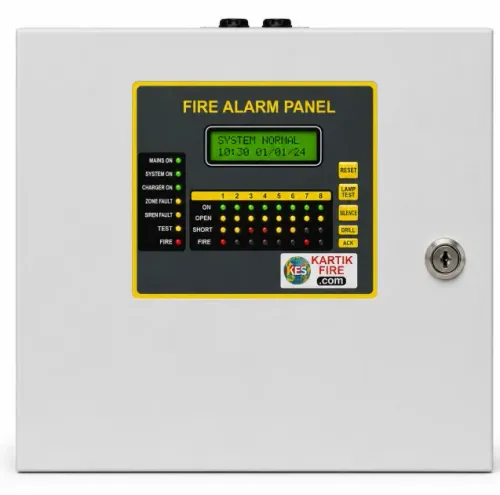
Smoke detectors function as part of a broader detection and alarm arrangement.
Before purchasing equipment, buyers should confirm that proposed devices are suitable for the intended system architecture and associated control equipment.
Compatibility questions are particularly important when expanding an existing installation rather than building a completely new system.
Adding equipment simply because it appears physically similar can create technical problems if system requirements are not considered.
Ask for Clear Technical Information
Facility managers and project teams evaluating detectors should seek clear product information.
Important areas to understand include:
- Intended application
- System compatibility
- Installation requirements
- Environmental considerations
- Testing requirements
- Maintenance needs
- Supporting technical documentation
This information makes it easier to evaluate whether a proposed detector fits the intended application.
Plan for Maintenance Access
Smoke detectors are usually installed overhead, but their position should still permit appropriate inspection and maintenance.
Future interiors can complicate access if this requirement is ignored during project planning.
Facility teams should also recognize that detectors can be affected by environmental contamination or physical changes over time. Appropriate inspection and maintenance therefore remain necessary after installation.
When Is a Buyer Ready to Select?
A property is better prepared to select detection equipment when:
- Room uses are defined
- Building layouts are available
- Fire alarm architecture has been determined
- Environmental conditions are understood
- Control equipment requirements are known
- Installation routes are coordinated
- Maintenance responsibilities are considered
Kartik Fire Protection Private Limited manufactures fire protection equipment for customers evaluating different fire detection requirements. The Kartik Fire Smoke Detector can be considered within an appropriately designed alarm solution rather than as an isolated purchase.
For commercial buildings, hospitals, educational institutions, and other properties across Delhi, detector selection should focus on suitability rather than quantity alone.
The strongest purchasing decision comes from matching the device to the environment, confirming system compatibility, planning correct installation, and ensuring the equipment can continue to be inspected and maintained throughout the building's operating life.
Keywords